


Can a simple, low-cost keyword tool really replace bulky suites like Ahrefs and SEMrush for small businesses?
LowFruits focuses on simplicity and fast keyword research so you can spot long-tail opportunities without heavy bills. You’ll get a clear rundown of Starter, Pro, and Annual tiers, plus how subscriptions compare to pay‑as‑you‑go credits and what one SERP analyzed costs in credits.
The intro below points to a quick comparison with Ahrefs and SEMrush, three features small businesses love—Weak Spots, wildcard clustering, and Domain Explorer—and the known limits such as credit burn on bulk analysis.
You’ll also see refund and trial details, step‑by‑step coupon guidance, and recommended use cases for local services, niche sites, and agencies. Start your free trial or claim a discount at the end to lock in savings.
Key Takeaways
- Fast overview of Starter, Pro, and Annual billing so you decide quickly.
- Subscriptions offer unlimited searches; PAYG uses credits (1 SERP = 1 credit).
- Three small‑business favorites: Weak Spots, clustering, Domain Explorer.
- Clear refund/trial info and known limits to avoid overbuying credits.
- Step‑by‑step coupon and discount tips to lower costs for campaigns.
Why LowFruits fits today’s keyword research needs in the United States
Modern keyword research for US projects demands speed, clarity, and pricing that supports experimentation. In this review you’ll see how lowfruits removes complexity so you can focus on actionable ideas instead of dashboards.
The interface is minimal and fast. That means you can filter by country and language, get focused search data, and move from idea to content quickly. This suits small businesses, niche publishers, and boutique agencies who need measurable ROI.
User intent: find clear pricing, compare value, and start fast
You want transparent plans and a quick path to results. The platform shows subscription and PAYG options clearly so you can pick the model that matches your budget and test before you buy credits.
Who this product review is for
- Local service owners who need low-competition keywords to win clients.
- Niche site operators focused on content that converts, not just traffic.
- Boutique agencies that must scale across websites without wasting budget.
Bottom line: If your goal is to find keywords you can rank for quickly, this tool prioritizes real SERP signals and practical steps over abstract scores.
LowFruits pricing plans at a glance (present)
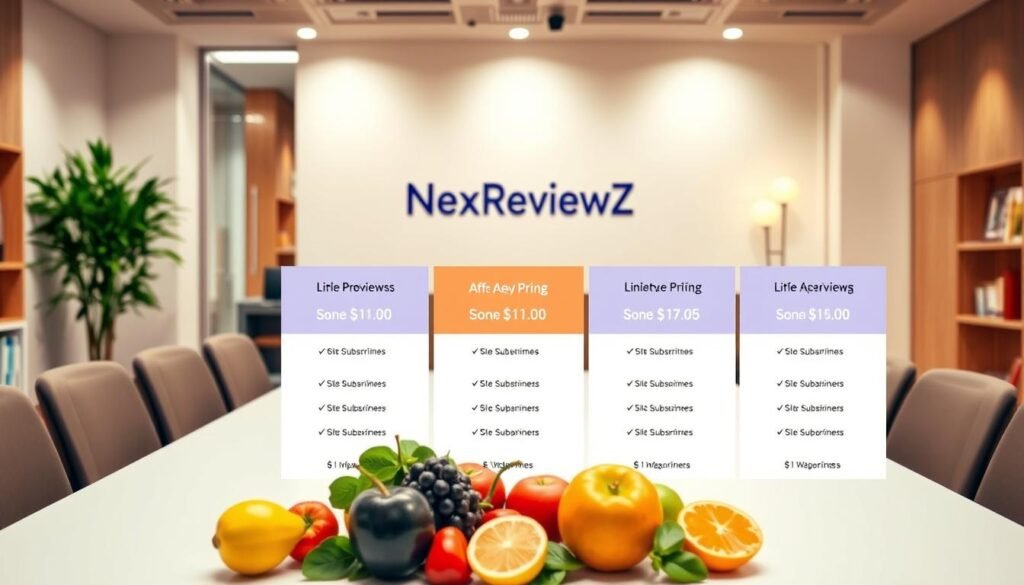
Here’s a concise look at the current plans, credit packs, and when to choose monthly, yearly, or PAYG.
Starter plan: monthly entry option for lean teams
The Starter subscription gives you unlimited keyword searches and core features for a low monthly fee.
Good for: solo operators and small teams who need steady research without heavy extraction.
Pro plan: higher limits and pro-only features
Pro increases rank tracker limits and unlocks the full workflow: boosted KW Finder, domain explorer access, competitor and sitemap extraction, and unlimited report downloads.
Good for: agencies and publishers who run frequent campaigns and need larger data pulls.
Annual billing: save more with yearly credits and perks
Choose annual to lower your effective cost per analyzed SERP. Subscribers also get a 10% discount on PAYG packs.
Pay-as-you-go credits: flexible packs alongside subscriptions
PAYG packs are ideal for spikes. Example packs: $25 for 2,000 credits, $60 for 5,000, $100 for 10,000, $250 for 50,000.
Note: PAYG credits expire after one year and include three free KWFinder searches every seven days.
| Plan / Pack | Main Benefit | When to pick | Extras |
|---|---|---|---|
| Starter (monthly) | Unlimited searches, core features | Lean teams, steady local research | Rank tracker (100), reports |
| Pro (monthly/annual) | Higher limits, full extraction | Agencies, high-volume publishers | Rank tracker (500), Domain Explorer |
| PAYG packs | Flexible credits, predictable cost | Seasonal pushes, one-off projects | 3 free KWFinder searches /7d, 1yr expiry |
- All subscriptions bill credits only when you extract SERPs; browsing ideas is free.
- Combine a subscription with occasional PAYG packs to cover bursts while keeping monthly costs steady.
- Annual billing + subscriber discount reduces your cost per search and improves ROI for consistent research.
What you get per plan: credits, features, and limits
Understand how credits, feature tiers, and expiry rules affect your monthly research budget.
The credits model explained: on any subscription you can run unlimited keyword searches for ideas. You only spend credits when you extract a SERP. Each keyword SERP extraction uses 1 credit, so you can forecast spend by counting planned analyses.
Subscription exclusives you should care about
Subscriptions unlock the Boosted Keyword Finder for deeper idea discovery and a built-in rank tracker to monitor your keywords and rankings. Standard plans include 100 tracked keywords; Pro raises that to 500. You also get Domain Explorer access that surfaces 150K+ weak websites so you can target low domain authority opportunities.
Credit validity and practical rules
PAYG packs include 3 free keyword finder searches every seven days so you can test ideas before spending credits. PAYG credits expire after 12 months. Subscription credits reset monthly and do not roll over—this favors steady publishing and client retainers.
“Forecast 1 credit per SERP and pair subscriptions with PAYG packs for campaign spikes.”
- You can run unlimited searches on subs; credits only apply on extraction.
- Use Starter for modest tracking; upgrade to Pro for heavy extraction and 500 tracked keywords.
- Add your website to track results natively and centralize reporting.
| Plan | Key Limits | Pro Features | Validity |
|---|---|---|---|
| Starter (monthly) | Unlimited searches, 100 tracker keywords | Boosted Keyword Finder, reports | Monthly reset |
| Pro (monthly/annual) | Unlimited searches, 500 tracker keywords | Domain Explorer, competitor & sitemap extraction | Monthly reset + 10% PAYG discount |
| PAYG packs | Credits for SERP extraction (1 credit = 1 SERP) | 3 free KWFinder searches / 7d | 12 months from purchase |
LowFruits vs Ahrefs vs SEMrush: where the value differs
For small sites, the real test is how quickly a tool turns search data into rankable topics, not how many modules it lists.
Cost and complexity: streamlined research vs “all-in-one” overhead
You’ll spend less time configuring dashboards and more time pulling action-ready keywords with LowFruits. Subscriptions for big suites bundle link indexes, site audits, and technical modules you may not need.
If you are cost-sensitive, that extra capability adds price and setup time. The lean approach cuts overhead and speeds deliverables.
Accuracy in opportunity-finding: SERP weak spots vs generic KD scores
Instead of trusting a single keyword difficulty score, this tool validates with real SERP pages. You inspect weak spots and see low domain or low domain authority pages ranking now.
“The Weak Spots approach shows you why a term is attainable, not just a score.”
- Ahrefs and SEMrush favor KD filters and large indexes.
- This tools approach surfaces low-competition keywords backed by live SERP data.
- Combine a keyword research tool with a lightweight rank tracker to turn findings into results fast.
Bottom line: Keep full suites for deep link or technical work. Use a SERP-first tool when you need quick, realistic wins this quarter.
Three key LowFruits features small businesses love

Small businesses win faster when a research tool turns live SERP signals into ready-to-publish ideas. Below are three practical features that reduce cost per article and speed results.
Weak Spots and intent filters: spot rankable chances
Weak Spots highlights low-DA pages already ranking so you can target terms that are realistic to capture.
Apply intent filters to split informational and transactional queries and match content to what searchers want.
“Use Weak Spots to see immediate opportunities where low-DA pages already rank, then build briefs around those terms.”
Keyword clustering and wildcard discovery: build topical authority
Cluster related keywords by intent to create pillar pages and supporting posts faster.
Wildcard operators uncover long-tail keywords competitors miss, so you can seed a query once and expand into usable keyword ideas for writers.
Domain Explorer and Extract: reverse-engineer competitors
Domain Explorer surfaces weak domains in your niche and lists thousands of websites you can outrank with focused content.
The Extract tool pulls ranking keywords or sitemaps for up to 300 URLs, filters top-10/100, and exports to XLS for planning.
- Click SERP results to preview titles and page types before drafting.
- Cluster and assign keywords to writers to build a production list in minutes.
- One practical stack helps you find keywords and ship pieces that rank quickly and compound over time.
Known limits and who should look elsewhere

Know what this tool does best—and where a full SEO suite still earns its keep. You get fast keyword discovery and SERP qualification, but that focus brings trade-offs you should plan for.
Credit usage and analysis depth: manage bulk analyses to avoid burn
Each SERP extraction costs 1 credit. Bulk extractions can drain credits fast if you run large batches without filters.
Tip: shortlist with the free KWFinder searches, then extract only the SERPs you will act on.
Scope trade-offs: purpose-built keyword research vs broader SEO suites
This tool excels at finding attainable keywords and exposing competition in live search results. It does not replace deep link indexes, site crawls, or technical audits from full suites.
“Use this for fast wins and pair it with other tools for enterprise audits and link work.”
- Batch smartly and pre-filter to keep credits predictable.
- Maintain a campaign checklist so each credit maps to a publishable brief.
- For large site audits or link analysis, combine this tool with a broader platform.
Trials, refunds, and money-back policy
Try the platform risk-free to confirm it fits your daily SEO routine across multiple websites. You can access keyword ideas for free and run limited KWFinder queries before you pay. PAYG users also receive three free KWFinder searches every seven days to validate workflow.
Free access highlights
Start with free idea access and sample reports. Subscriptions include unlimited free report downloads so you can evaluate real results without friction.
Test the built-in rank tracker capacity on Starter (100) or Pro (500) to see which fits your sites. Watch credit use while you test so you can estimate cost per SERP.
30-day money-back guarantee
If you’re not satisfied, request a refund within 30 days. Open your billing profile and file the request; the team processes eligible refunds per the policy.
Keep an eye on credits: PAYG credits expire after 12 months and subscriptions reset monthly. Use the trial window to validate end-to-end—from idea to SERP extraction to early rankings—before you commit annually.
“Use the trial to compare speed, clarity, and the cost of extracting SERPs against other tools.”
| What to test | Included for free | Limit or note |
|---|---|---|
| KWFinder searches | 3 free (PAYG /7d) + free idea browsing | Free checks; extraction uses credits |
| Reports | Unlimited downloads on subscriptions | Evaluate results before large buys |
| Rank tracker | Starter: 100 / Pro: 500 | Pick plan by number of tracked keywords |
| Credits validity | PAYG: 12 months | Subscriptions reset monthly |
How to claim a LowFruits discount or coupon
Saving on analysis is mostly about timing and a clean checkout process. Follow these steps to apply a coupon and combine built‑in perks so your campaign budget goes further.
Step-by-step: applying coupons at checkout
- Prepare your list of planned SERP extractions and estimate total credits needed.
- At checkout, paste your coupon into the promo field and confirm the adjusted total before paying.
- Complete payment and check your Billing dashboard to verify the credits landed correctly.
Subscriber PAYG discount and annual savings
If you’re a subscriber, a 10% discount on PAYG credit packs applies automatically to eligible packs. Choose annual billing to lower your effective monthly rate when you research continuously.
Pro tip: stack timing with credit packs for big campaigns
Scope your campaign and buy the nearest PAYG pack to reduce cost per credit. Time purchases before a content sprint so credits cover your full analysis list.
“Use free KWFinder checks to trim the list; only extract SERPs you will act on.”
| Action | Why it helps | Notes |
|---|---|---|
| Paste coupon at checkout | Instant price reduction | Confirm adjusted total before paying |
| Buy PAYG during sprint | Lower cost per credit for bursts | Subscribers get 10% auto discount |
| Pick annual subscription | Reduce ongoing research cost | Best if you publish steadily |
| Track usage in Billing | Avoid mid‑campaign pauses | Export reports and finalize briefs while credits are active |
Final checklist: use free searches to refine your keyword list, estimate required credits (1 SERP = 1 credit), buy the nearest PAYG pack or rely on your subscription, and monitor data in your Billing dashboard so your website research stays on schedule.
Recommended use cases for small businesses
Small U.S. businesses win fastest when research ties directly to revenue-driven content. Use filters and clustering to turn a single seed into a focused plan that drives leads and bookings.
Local and niche services: capture long-tail buyers’ intent
Filter by country and language to match local demand. This helps you find keywords that actual customers use in your market.
Start with a seed keyword that mirrors your service. Expand into long-tail keywords and low-competition keywords that show buyer intent.
Prioritize SERP pages with weak spots so your first posts have a realistic shot at quick rankings and conversions.
Content sprint planning: cluster-led briefs and quick wins
Build cluster-led briefs of 4–8 articles around one seed. Cluster by intent and assign each piece a clear goal: lead capture, booking, or sale.
Use wildcard discovery to pull exact phrasing customers search for, then export lists and hand off structured briefs to writers.
Track initial rankings weekly to validate topics. Double down on winners and strengthen internal linking to boost site authority over time.
- Filter by country language to keep local relevance.
- Use seed keyword research to map clusters quickly.
- Export keywords and briefs for fast writer handoffs.
Quick start: using LowFruits to find low-competition keywords today
Set clear project defaults first—this makes the rest of the research faster and cheaper. Start by choosing country and language so ideas match local search behavior. Then set a max domain authority to avoid competitors out of reach.
Follow this straight-line checklist to go from setup to your first ranked pages.
- Project setup: set country, language, max DA, and add negative keywords to remove irrelevant terms.
- Seed and search: enter a seed keyword, run KWFinder to generate keyword ideas and shortlist by search volume and intent.
- Bulk analyze: bulk analyze SERPs for top candidates (remember 1 SERP = 1 credit).
- Assess competitors: review Weak Spots, title relevance, and word count of ranking pages to estimate effort.
- Cluster & prioritize: group keywords by intent and prioritize clusters you can ship this week.
- Export & brief: build a list and export reports to create content briefs for writers.
- Publish & track: add targets to the built-in rank tracker (Starter: 100 / Pro: 500) and watch early rankings.
- Iterate weekly: add related seeds, expand clusters, and re-check long-tail keywords uncovered.
Practical notes: PAYG users get 3 free KWFinder searches every seven days—use them to trim your list before spending credits. Batch analyses to keep credit use predictable and avoid unnecessary cost.
| Step | Action | Why it helps |
|---|---|---|
| Filters | Country, language, max DA, negative terms | Targets local intent and realistic competitors |
| KWFinder | Generate seed keyword ideas | Quickly surface long-tail keywords and search volume |
| SERP analysis | Bulk extract top pages | See Weak Spots and real search results to prioritize |
| Tracking | Use built-in rank tracker | Measure early movement and refine internal links |
“Batch smart, act on the best clusters, and use the tracker to convert ideas into measurable rankings.”
Conclusion
This review shows how a lean, SERP-first workflow turns keyword discovery into repeatable wins.
You get a keyword research tool that helps find low-competition keywords fast. Use Weak Spots, seed keyword clustering, Wildcards, Domain Explorer, and Extract to validate ideas against real search results and domain authority signals.
Subscriptions give unlimited searches and built-in tracking; PAYG packs offer flexible credits (1 SERP = 1 credit), a 12‑month expiry, and three free KWFinder checks every seven days. Subscribers also receive a 10% discount on PAYG packs.
Who it’s for: local businesses, niche sites, and agencies managing multiple websites who need quick, actionable keyword ideas and predictable costs. Try the 30‑day money-back window to de‑risk your choice.
Ready to act? Start a free trial or get a discount now and begin publishing content that targets realistic search volume and ranks faster.